


Rising Interest in Mexico’s Pharmacy Market
Over the past year, Mexico has seen a notable surge in demand for medications sought by international travelers, and Mounjaro Mexico, a medication containing tirzepatide and commonly prescribed for type 2 diabetes and weight-related conditions, has become one of the most talked-about products. Pharmacies in border cities such as Tijuana, Mexicali, and Ciudad Juárez report a steady flow of visitors—many from the United States—searching for brand-name medications at lower prices. As prescription drug costs continue to rise in numerous countries, Mexico’s pharmacy sector is increasingly viewed as a more affordable alternative. This trend is not entirely new, but the popularity of newer injectable medications has brought the issue back into national discussion.
Why Mounjaro Draws Attention Across Borders
Mounjaro gained worldwide attention as clinical results and anecdotal reports highlighted its effects on blood sugar control and notable weight reduction in some patients. For individuals in countries where the medication may be cost-prohibitive or subject to insurance limitations, Mexico offers the possibility of purchasing the drug at a lower out-of-pocket price. This has contributed to a broader movement of health-motivated travel. Unlike vacation-oriented medical tourism of the past decade, today’s trend involves people crossing borders specifically for routine or maintenance medications. Pharmacies situated near airports and pedestrian crossings say customers routinely ask about the drug’s availability, recommended storage, and packaging differences between domestic and U.S. versions.
Pharmacy Regulation and What Tourists Encounter
Mexico’s pharmaceutical market operates under its own regulatory framework, overseen by COFEPRIS, the national regulatory authority. While many pharmacies adhere to legal standards equivalent to international norms, the structure differs importantly from that of the United States. Some medications that require a prescription in the U.S. may also legally require one in Mexico, but enforcement can vary from location to location. As a result, travelers sometimes encounter pharmacies willing to sell certain medications without formal documentation, creating a gray area for consumers. Health experts emphasize that, despite the convenience, there are risks associated with purchasing any medication outside one’s home country without a prescription or medical supervision. In the case of Mounjaro, dosage accuracy, proper refrigeration during transport, and ensuring product authenticity are recurring points of concern.
Concerns Over Quality and Authenticity
The rapid rise in interest has also brought challenges. Public health officials in both Mexico and the United States have issued warnings regarding counterfeit injectable medications appearing in border regions. These counterfeit versions, sometimes sold through unofficial channels, present a serious risk to consumers. Because medications like Mounjaro require cold-chain storage and specialized distribution, legitimate pharmacies prominently display their sourcing and handling procedures. Industry representatives note that reputable pharmacies increasingly use tamper-evident packaging, transparent receipts, and staff training to reassure international buyers. Still, experts urge consumers to avoid street vendors, unlicensed sellers, and online marketplaces that do not provide verifiable information about product origin.
Economic Impact on Local Pharmacies
For Mexican pharmacies, the demand has created a commercial boom. Some establishments have expanded their inventory, remodeled their storefronts, and increased bilingual staffing to accommodate cross-border shoppers. Border cities in particular report that medication-oriented tourism now plays a measurable role in local economies, influencing job creation and even the leasing of retail spaces. Small independent pharmacies say that the increased attention has given them a new customer base, though competition with larger chains remains intense. At the same time, there is growing discussion in Mexico about ensuring adequate supply for local patients, who rely on medications like tirzepatide for their diabetes management and do not want to be affected by international surges in demand.
Travelers’ Experiences and Motivations
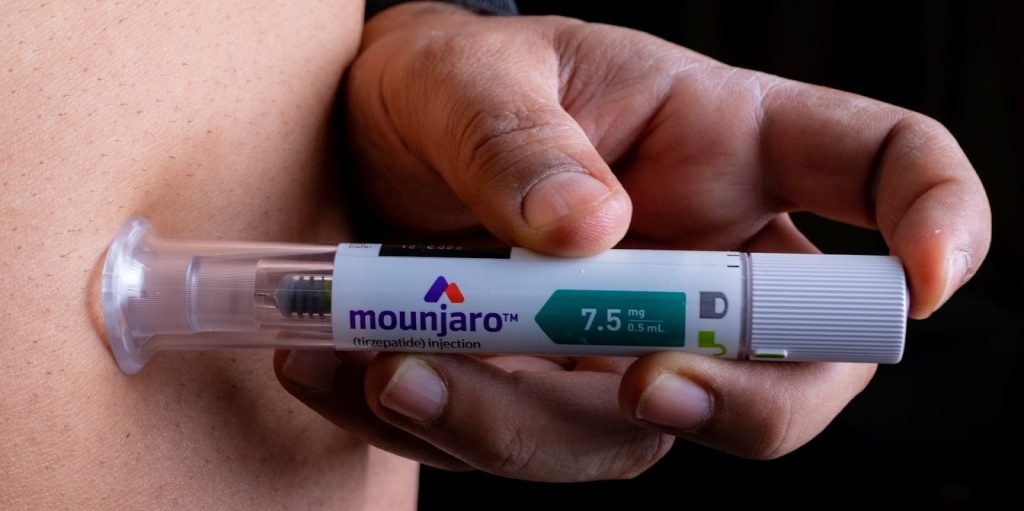
International shoppers cite a range of motivations for seeking Mounjaro Mexico pharmacy: lower prices, easier availability, shorter wait times, and frustration with insurance policies in their home countries. Some travelers report making routine trips every few months, combining their pharmacy visits with dental care, lab tests, or short vacations. Others describe quick same-day crossings designed solely to purchase medication and return home. Many say that before traveling, they research pharmacy reviews, prices, and recommended documentation to bring with them. While most describe smooth experiences, some note increased scrutiny at customs checkpoints, especially when transporting refrigerated or injectable medications.
Legal and Customs Considerations
Bringing any prescription medication across national borders involves legal limitations that vary by jurisdiction. Travelers are typically advised to carry prescriptions or medical documentation, even when purchasing legally in Mexico. For U.S. residents, federal rules often allow certain prescription drugs to be imported in limited quantities for personal use, but enforcement can depend on the agent, port of entry, and specific medication. Injectable drugs may attract additional inspection, especially when transport requires cold packs or special packaging. Legal analysts note that although many cross-border shoppers pass through without issue, travelers should stay informed about evolving regulations, especially as high-demand medications like Mounjaro receive heightened attention.
Impact on Healthcare Conversations
The boom surrounding cross-border access to Mounjaro has also influenced broader healthcare discussions. Policy analysts argue that this growing reliance on foreign pharmacies underscores the need for more affordable options at home. Patient advocacy groups say the situation highlights the financial strain experienced by people managing chronic conditions. Meanwhile, Mexican stakeholders emphasize the importance of maintaining regulatory consistency to ensure drug safety while continuing to welcome international customers. The issue has sparked debate about price transparency, insurance reform, and how pharmaceutical companies manage global distribution.
Stakeholder Perspectives Moving Forward
Pharmacy owners, healthcare professionals, government regulators, and patients all have distinct views on the future of cross-border access. Pharmacists in Mexico largely welcome international business but call for stronger guidance on safe handling and verification standards. U.S. healthcare providers remind patients that dosage, interactions, and monitoring should only be managed by licensed clinicians. Regulators in both countries regularly update warnings on counterfeit risks. As demand for medications like Mounjaro continues to expand, these cross-border dynamics are likely to remain in public focus.
