

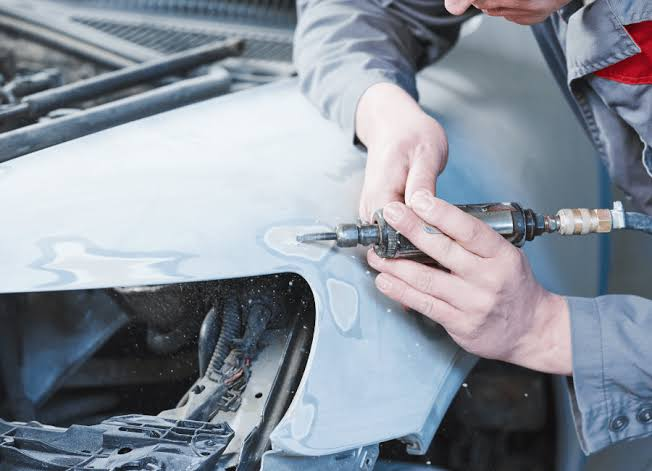
When your vehicle is damaged in an accident, finding the right repair shop can feel stressful. You want quality work, fair service, and confidence that your car will be safe when you leave the shop. This is where professional auto body repair becomes important. A skilled collision center can help restore your vehicle’s appearance, structure, and road performance after an accident.
Coachmaster Collision is a name associated with professional collision repair and vehicle restoration services. Whether a car has suffered a small dent, a damaged bumper, broken panels, or more serious accident damage, understanding the repair process can help vehicle owners make better decisions. Knowing what to expect also makes it easier to communicate with repair technicians, insurance companies, and other professionals involved in the claim.
Modern auto body repair involves much more than fixing visible damage. A quality collision repair process may include vehicle inspection, damage assessment, frame measurement, dent repair, panel replacement, painting, refinishing, glass work, alignment checks, and final safety inspections. Technicians must also pay attention to the vehicle’s original design and safety systems.
This complete guide explains what professional collision repair involves, why choosing an experienced repair facility matters, and what vehicle owners should know before, during, and after the repair process.
Understanding Professional Collision Repair
Collision repair is the process of restoring a vehicle after it has been damaged in an accident or other impact. The damage may be minor, such as a small dent or scratched bumper, or major, such as structural damage to the frame. Each situation requires a different repair approach.
A professional collision center begins by inspecting the vehicle carefully. Technicians look for both visible and hidden damage. A bumper may look slightly damaged from the outside while internal supports, sensors, brackets, or other components may also need attention. This is why a complete inspection is an important first step.
Coachmaster Collision can be considered as part of the search process for drivers who need professional auto body services and want their vehicle assessed by experienced technicians. A proper inspection helps determine what needs to be repaired, what parts may need replacement, and what work is required to return the vehicle to a safe condition.
The repair process can vary based on the type of vehicle and the severity of the accident. A modern vehicle may contain advanced driver assistance systems, cameras, radar sensors, parking sensors, and other electronic components. Damage to the body can sometimes affect these systems, even when the problem is not immediately visible.
Another important part of collision repair is maintaining the vehicle’s original shape and specifications. Technicians use specialized equipment to repair or replace damaged panels and restore the body to the correct position. The goal is not simply to make the car look better. The vehicle should also function as intended.
Paint and refinishing are also important. After body repairs are completed, the repaired area needs to match the rest of the vehicle. Professional paint technicians carefully prepare the surface, select the appropriate color, apply paint, and complete the finishing process. A proper color match helps the repaired area blend naturally with the original finish.
The quality of the repair can have a lasting effect on the vehicle. Poor bodywork may lead to uneven panels, paint problems, corrosion, noise, or other issues. Professional collision repair focuses on both appearance and function.
What to Expect During the Auto Body Repair Process
Many vehicle owners are unsure about what happens after they bring a damaged car to a collision repair facility. Understanding the process can make the experience easier and reduce confusion.
The process usually starts with an initial vehicle assessment. A technician examines the exterior and interior and looks for signs of impact. Photographs and measurements may be taken to document the damage. In some cases, additional inspection is needed after damaged parts are removed.
The repair facility may then prepare an estimate. The estimate can include labor, replacement parts, paint materials, mechanical repairs, and other services. If the vehicle is being repaired through an insurance claim, the repair shop may also work with the insurance company to review the damage and determine the approved repair work.
Once the repair plan is established, technicians begin the required work. Minor dents may be repaired using specialized dent repair methods. Heavily damaged panels may need to be replaced. If the vehicle’s structure has been affected, frame repair equipment may be used to restore the vehicle to the proper measurements.
Frame repair is one of the most important areas of collision restoration. A vehicle’s structure provides protection for occupants and supports many mechanical and body components. If the frame or structural sections are damaged, simply replacing an exterior panel may not be enough.
After structural and body repairs are completed, the vehicle may move to the preparation and painting stage. Technicians smooth repaired areas, prepare surfaces, and apply primer and paint as needed. Professional refinishing requires attention to detail because differences in color or finish can make a repair noticeable.
Reassembly comes next. Replacement parts, lights, trim, bumpers, sensors, and other components are installed. Technicians check that the repaired parts fit correctly and operate as intended.
Modern vehicles may also require calibration of safety and driver assistance systems. Cameras and sensors can be positioned around bumpers, windshields, mirrors, and other areas. If these systems are affected by an accident or repair, proper calibration may be necessary.
Before the vehicle is returned, a final inspection should be completed. Technicians can check body alignment, paint quality, lights, doors, safety equipment, mechanical components, and other repaired areas. A road test may also be performed when appropriate.
This step-by-step process shows why professional auto body repair is more involved than simply removing a dent and repainting a panel. Each stage contributes to the overall quality and safety of the finished repair.
Why Quality Matters When Choosing a Collision Repair Shop
Choosing a collision repair shop is an important decision because the quality of the work can affect the vehicle for years. A low-quality repair may look acceptable at first but create problems later. Proper workmanship helps protect the vehicle’s appearance, value, performance, and safety.
One of the first things vehicle owners should consider is technician experience. Collision repair requires knowledge of vehicle construction, body materials, paint systems, repair equipment, and modern safety technology. Experienced technicians are better prepared to recognize different types of damage and select suitable repair methods.
Coachmaster Collision can be part of a vehicle owner’s research when comparing professional repair options. Before selecting any collision center, it is useful to understand the services offered, repair procedures, communication practices, and approach to customer service.
The equipment used by a repair facility also matters. Modern vehicles often require specialized tools for structural measurement, body repair, painting, diagnostics, and electronic calibration. Advanced equipment can help technicians perform accurate repairs according to vehicle specifications.
Replacement parts are another important consideration. Depending on the vehicle and repair, a shop may use original equipment manufacturer parts, aftermarket components, or other approved replacement parts. Vehicle owners should ask what type of parts will be used and how the choice may affect the repair, warranty, cost, and vehicle performance.
Communication is equally important. A professional repair shop should explain the damage and repair plan in a way that customers can understand. If additional damage is discovered during repairs, the customer should be informed before major additional work is completed.
Insurance claims can add another layer of complexity. After an accident, vehicle owners may need to communicate with an insurance company, adjuster, repair facility, rental car provider, and other parties. A collision repair center that understands the insurance repair process can help make communication more organized.
However, vehicle owners should still review their insurance policy and understand their rights and responsibilities. Insurance coverage, deductibles, approved repairs, and rental vehicle benefits vary by policy and situation.
Another consideration is the repair warranty. A warranty can provide additional confidence about the workmanship or materials used during repairs. Customers should ask what the warranty covers, how long it lasts, and whether there are limitations.
Customer reviews and reputation can also provide useful information. Reviews should not be the only factor in a decision, but consistent feedback about workmanship, communication, repair quality, and customer service can help identify patterns.
A quality collision center understands that customers are often dealing with an unexpected and stressful event. Clear communication, honest explanations, and careful workmanship can make a major difference in the overall repair experience.
Common Auto Body Repair Services and Modern Vehicle Technology
Professional auto body repair covers a wide range of services. The exact work depends on the type of damage and the vehicle involved.
Dent repair is one of the most common services. Small dents may sometimes be repaired without replacing the entire panel. Paintless dent repair can be appropriate in certain situations when the paint remains intact and the metal can be restored without traditional bodywork.
Bumper repair and replacement are also common after collisions. Modern bumpers are designed with more than appearance in mind. They can include sensors, cameras, reinforcement structures, and other components. This means bumper damage may require careful inspection.
Fender, door, hood, trunk, and quarter-panel repairs are also frequently performed at auto body shops. Technicians may repair damaged panels or replace them when repair is not practical.
Glass replacement can be necessary after an accident, particularly when windshields or windows are cracked or shattered. Windshield replacement may also involve camera or sensor calibration when advanced driver assistance features are installed near the glass.
Paint and refinishing services help restore the vehicle’s appearance. Professional refinishing includes surface preparation, paint application, blending, and finishing. A good repair should be difficult to distinguish from the surrounding original paint.
Structural repair is more complex. If an accident affects the vehicle frame or other structural areas, technicians may use measurement systems and specialized equipment to return the structure to its proper specifications.
Technology has changed collision repair significantly. Many modern vehicles use advanced driver assistance systems, including automatic emergency braking, lane monitoring, adaptive cruise control, blind-spot detection, parking assistance, and collision warning features.
These systems depend on cameras, radar, ultrasonic sensors, and other components. After a collision or certain repairs, these systems may need inspection, testing, or calibration. This is an important reason why modern auto body repair requires both traditional repair skills and knowledge of vehicle electronics.
Electric and hybrid vehicles also require special attention. Their high-voltage systems and unique vehicle designs can create additional repair considerations. Technicians working on these vehicles need appropriate training and safety procedures.
The rise of advanced vehicle technology means customers should look beyond basic bodywork when choosing a repair facility. The best repair approach considers the entire vehicle, including structural components, electronics, safety systems, and manufacturer specifications.
How to Prepare for a Successful Collision Repair Experience
A little preparation can make the collision repair process much easier. After an accident, the first priority should always be safety. Drivers should move to a safe location when possible, contact the appropriate authorities when necessary, and exchange required information with other parties.
Once the immediate situation is under control, documenting the vehicle damage can be helpful. Photographs of the vehicle, accident scene, road conditions, and visible damage may provide useful records for an insurance claim.
Vehicle owners should also keep important documents organized. Insurance information, estimates, repair authorizations, photographs, and communication with the insurance company can all be useful during the process.
When contacting Coachmaster Collision or another repair facility, customers should explain what happened and describe any problems noticed after the accident. Even if damage appears minor, unusual noises, warning lights, steering changes, or other symptoms should be mentioned.
It is also useful to ask questions before authorizing repairs. Customers can ask what damage was found, which components need repair or replacement, what type of parts will be used, how long the repair may take, and whether additional inspections are expected.
Repair timelines can change because hidden damage may be discovered after disassembly. Parts availability, insurance approvals, vehicle complexity, and additional mechanical work can also affect completion times. A repair facility should communicate important changes as the work progresses.
After repairs are finished, the customer should inspect the vehicle before leaving when possible. Look at the repaired panels, paint finish, lights, doors, windows, trim, and interior. Check that warning lights are not showing unexpectedly and ask whether any systems were calibrated or tested.
A test drive can also help identify issues such as unusual vibration, pulling, noise, or steering concerns. If something does not feel right, it is better to report it immediately rather than waiting.
Keeping repair records is another smart practice. Estimates, invoices, warranty information, photographs, and other documents may be helpful for future maintenance, resale, or insurance purposes.
Professional collision repair is ultimately about restoring confidence in the vehicle. The goal is to return the car to a condition where it looks right, operates properly, and provides the expected level of safety and performance.
Conclusion
A vehicle accident can create unexpected costs, stress, and uncertainty, but understanding the collision repair process can make the situation easier to manage. From the first inspection to the final quality check, every stage plays an important role in restoring a damaged vehicle.
Coachmaster Collision can be considered by vehicle owners researching professional auto body repair and collision restoration options. Whether the vehicle needs dent repair, bumper work, paint refinishing, panel replacement, structural repair, or technology-related calibration, choosing an experienced repair facility is an important step.
The best approach is to look beyond a quick cosmetic fix. A quality collision repair should consider the vehicle’s structure, appearance, safety systems, parts, and overall performance. Clear communication, skilled technicians, proper equipment, careful inspections, and attention to manufacturer requirements can all contribute to a successful repair.
By understanding what to expect and asking the right questions, vehicle owners can make informed decisions after an accident. Professional auto body repair is not only about making a damaged car look new again. It is about restoring the vehicle carefully so drivers can get back on the road with greater confidence.
